Name or address changes
Applications for name or address changes are covered. We align your ads with Google’s requirements.
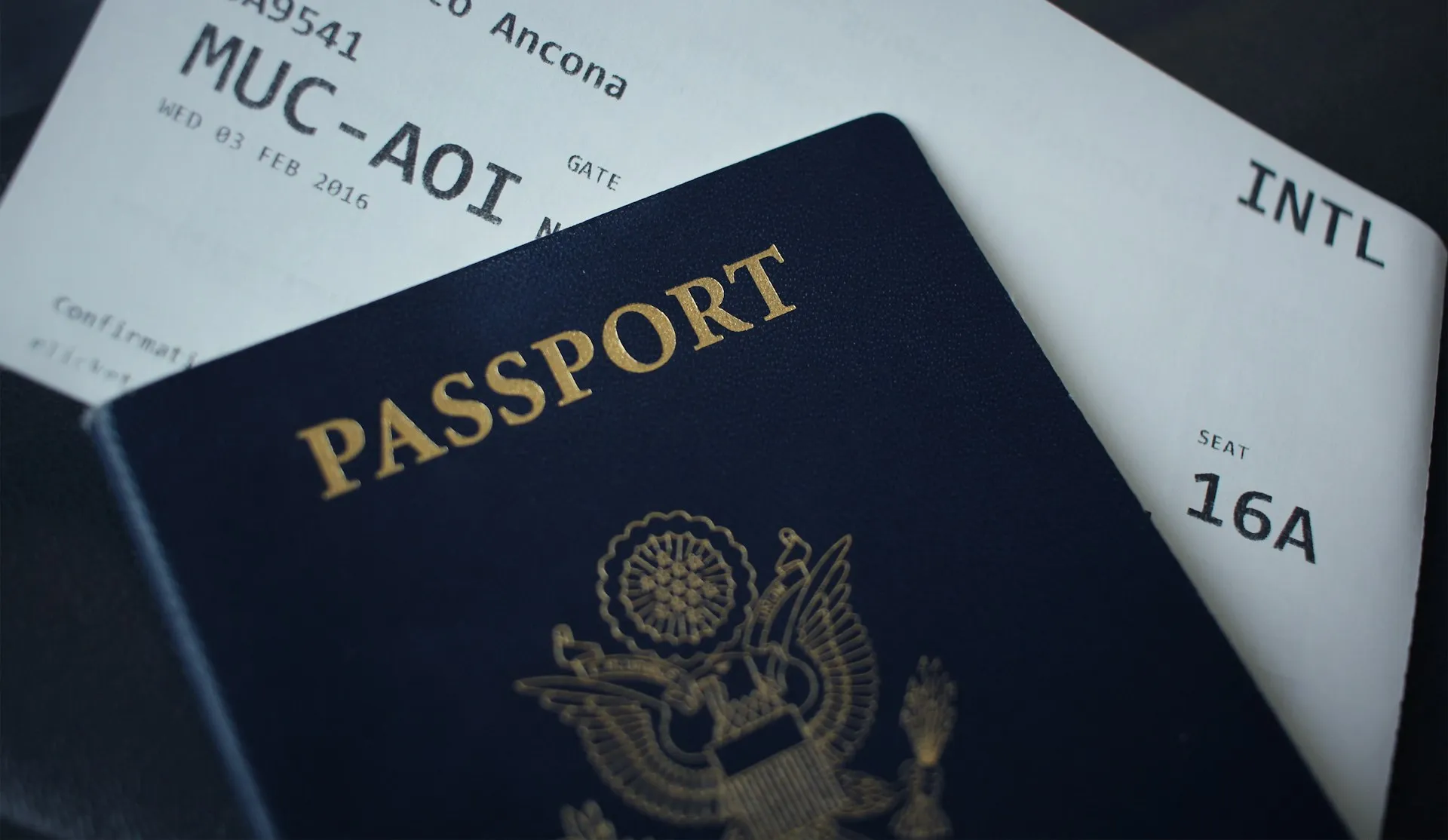
If you help people apply for a legal name change, file a change of address, or process an enrolled deed poll, you have probably seen your Google Ads disapproved or your account flagged without a clear explanation. These services fall under Google's Government Documents and Services (GODOS) policy, which tightly restricts who can advertise assistance with official personal-record changes.
Under the GODOS policy, only certified governments and authorized providers may promote the direct acquisition of these documents and services. Every other advertiser — including legitimate form-filling assistants, document preparation firms, and deed poll services — must apply for Google certification and complete Google's advertiser verification program before ads can run. Until then, campaigns for name change applications or change-of-address forms are routinely blocked.
The upside is significant: once you are certified to advertise, you can reach people at the exact moment they are searching for help updating their name or address, in a category where far fewer competitors have cleared Google's requirements. Getting the compliance right turns a blocked account into a durable acquisition channel.
What’s restricted
- Applying for a name change
- Form editors for change of address
Why Google restricts name or address changes ads
Name and address changes touch some of the most sensitive personal data a person holds. Fraudulent or misleading services in this space can charge inflated fees for forms that are free or low-cost through official channels, harvest identity details, or leave users believing they have completed a legal process when they have not. Google restricts the category to protect users from deception and to keep bad actors away from records that are frequently targeted in identity fraud.
To reinforce this, Google automatically adds a "Not a government website" disclosure to Search ads in this category unless the advertiser is a certified government provider. This transparency requirement, combined with mandatory certification and verification, is designed to make sure people understand exactly who they are dealing with before they hand over personal information or payment for help with a name change or change of address.
Who needs GODOS certification
- Document preparation and form-filling services that help customers apply for a legal name change
- Deed poll providers, including those offering enrolled deed poll services in the United Kingdom
- Change-of-address assistance services and online form editors that update addresses across government or postal records
- Legal and paralegal firms advertising name-change or address-update packages to the public
- Agencies and marketers managing Google Ads campaigns on behalf of any of the above businesses
How to get certified: step by step
- 1
Confirm your services fall under the GODOS category
Review your landing pages and offerings against Google's restricted examples — applying for a name change, form editors for change of address, and enrolled deed poll in the UK. Confirming that your business is in scope tells you exactly which certification and verification steps apply.
- 2
Prepare transparent, compliant landing pages
Your website must clearly state that you are a private service, disclose your fees, explain what the customer receives, and never imply government affiliation. Include accurate descriptions of the process, refund terms, and contact details so both users and Google's reviewers can verify legitimacy.
- 3
Complete Google's advertiser verification
Google requires advertiser identity and, where relevant, business verification before certification in restricted categories. Have your legal business documentation, ownership details, and payment information ready to submit accurately and consistently.
- 4
Submit the GODOS certification application
Apply through Google's certification form for the name and address change category, describing your services precisely and providing any supporting documentation Google requests to confirm you are authorized to offer them.
- 5
Align your Google Ads account and campaigns
Ensure the certified account, business name, and destination URLs match your application. Ad copy must avoid claims of official status and should anticipate the automatic "Not a government website" disclosure applied to your Search ads.
- 6
Monitor, respond, and maintain compliance
After approval, keep your pages and ads compliant as policies evolve. If Google issues a warning, you generally have at least 7 days before suspension — use that window to correct issues promptly and preserve your certification.
Common mistakes that get ads disapproved
- Using official-looking branding, government crests, or domain names that imply you are an authorized government service
- Failing to clearly disclose fees or that the same name change or address update may be available directly from official sources
- Running ads before completing advertiser verification, leading to immediate disapprovals
- Mismatched details between the Google Ads account, verified business identity, and landing page ownership
- Ad copy that promises guaranteed approval, official processing, or same-day legal outcomes
- Ignoring the initial policy warning instead of fixing violations within the notice period before suspension
How we help
We guide name change, deed poll, and change-of-address businesses through every stage of GODOS certification — from auditing your landing pages against Google's requirements to preparing the documentation needed for advertiser verification. Because we work with advertisers worldwide, we understand how the rules apply to region-specific services such as enrolled deed poll in the United Kingdom, and we tailor our guidance to your market and offering.
Our role is to make your application as clear, accurate, and policy-aligned as possible so reviewers can confirm your legitimacy quickly. We are an independent consultancy, not affiliated with Google, and certification decisions rest entirely with Google — we cannot guarantee approval. What we do provide is experienced, practical support that reduces avoidable mistakes and helps you build ads that stay compliant over the long term.
Region-specific examples
Related services
Google Ads Policy Audit
A full review of your account, ads, and landing pages against the GODOS policy, with a prioritized fix list.
Ad Copy Compliance
We rewrite ad copy and extensions to meet policy requirements without losing performance.
Landing Page Optimization
Compliant, high-converting landing pages with the correct disclaimers and disclosures.
Google & Government Verification
Guidance through Google certification and the advertiser verification program, step by step.
Frequently asked questions
Why were my name change service ads disapproved on Google? +
Name change, deed poll, and change-of-address services fall under Google's GODOS policy, which restricts who can advertise them. If you have not yet obtained GODOS certification and completed advertiser verification, your ads will be disapproved regardless of how legitimate your business is.
Can a private deed poll or address-change business get certified to advertise? +
Yes. While the category is reserved primarily for certified governments and authorized providers, other legitimate businesses can apply for Google certification and complete the advertiser verification program. Once certified to advertise, you can run compliant campaigns in this category.
Will Google show a disclosure on my ads? +
For Search ads in this category, Google automatically adds a "Not a government website" disclosure unless you are a certified government provider. This is expected for private services, so your ad copy and landing pages should be consistent with that message rather than implying official status.
Does certification cover enrolled deed poll services in the UK? +
Enrolled deed poll is a region-specific example that falls within this category. UK providers offering enrolled deed poll assistance need to complete the same GODOS certification and verification process, with landing pages that clearly explain the service and fees.
What happens if I keep advertising without certification? +
Google typically issues a policy warning and gives at least 7 days before suspending the account. Using that window to correct violations — or to complete certification — is important, because a suspension is far harder to resolve than a warning.
Can you guarantee my GODOS certification will be approved? +
No. We are an independent compliance consultancy and are not affiliated with Google, so all certification and verification decisions rest with Google. What we can do is prepare your application and website to meet Google's requirements as closely as possible, reducing the risk of avoidable rejections.