Birth & death certificates
Requesting copies of birth or death certificates requires certification. We handle account prep and compliant pages.
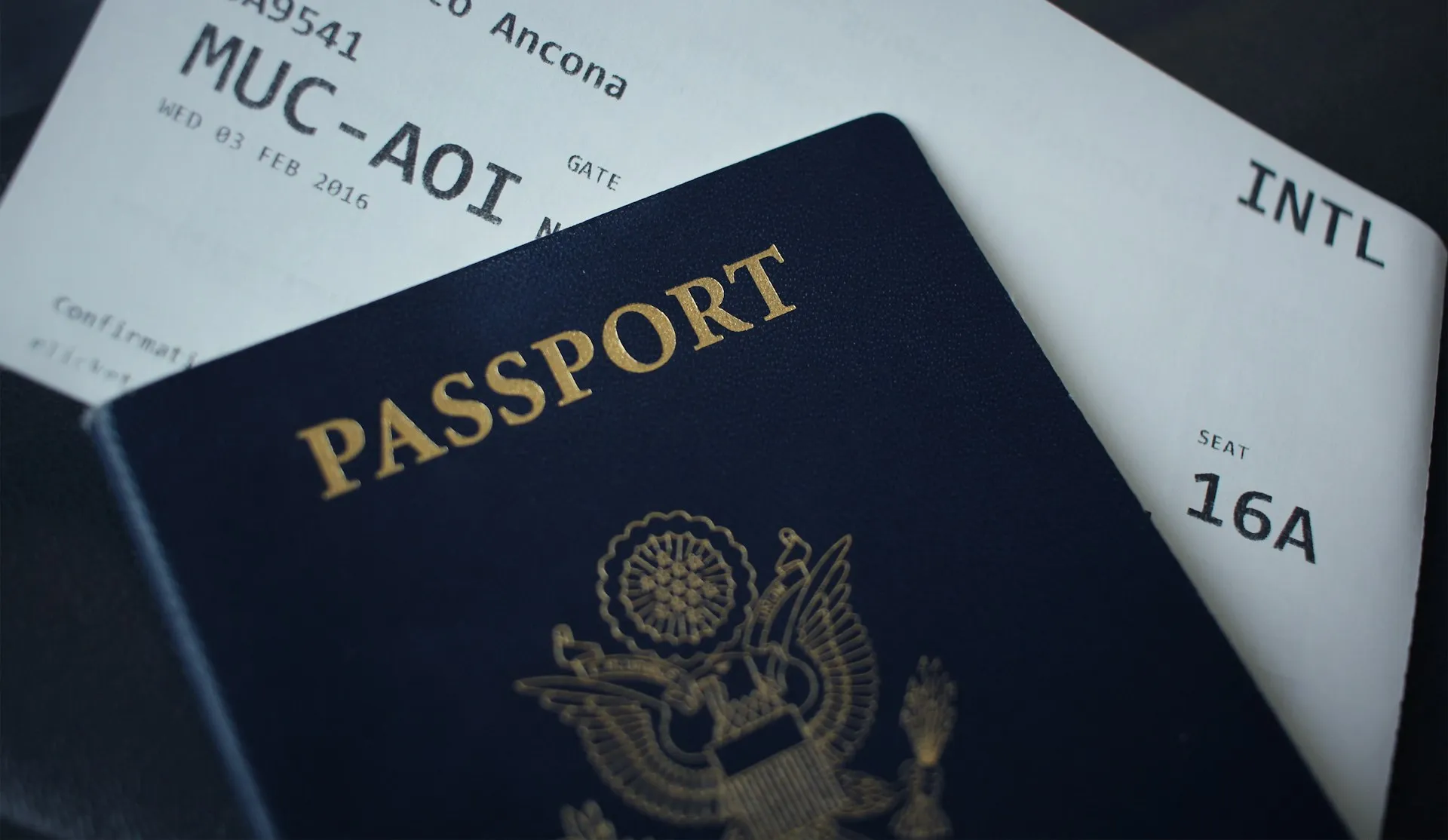
If you help people order copies of birth certificates or death certificates, you have probably watched your Google Ads get disapproved with little explanation. These are among the most heavily restricted document categories, and Google applies extra scrutiny because the ads point to sensitive vital records that consumers urgently need but often struggle to obtain from official sources.
Under Google's Government Documents and Services (GODOS) policy, only certified governments and their authorized providers may run ads promoting the direct acquisition of restricted documents like a copy of a birth certificate or a copy of a death certificate. Every other advertiser must apply for Google certification and complete Google's advertiser verification program before their ads are eligible to serve.
The upside is real. Once you are certified to advertise in this category and your business model is transparent, you can run compliant campaigns for a service millions of people search for every day — replacing lost certificates, ordering records for passport applications, settling estates, or registering a death. Getting the compliance foundation right is what separates a stable account from one that keeps getting suspended.
What’s restricted
- Copy of a birth certificate
- Copy of a death certificate
Why Google restricts birth & death certificates ads
Birth and death certificates are official vital records that unlock access to passports, benefits, inheritance, insurance claims, and legal identity. That makes them a magnet for fraud, impersonation, and deceptive fee structures. Google restricts the category to protect users from third parties who might charge inflated fees, mislead people into thinking they are the official issuing authority, or collect sensitive personal data without safeguards.
To reinforce this protection, Google automatically adds a "Not a government website" disclosure to Search ads in this category unless the advertiser is a certified government provider. This means non-government intermediaries can still advertise, but only after certification and verification, and always with clear separation from the official registry office or vital records agency.
Who needs GODOS certification
- Government registry offices and vital records agencies advertising their own official birth and death certificate services
- Authorized third-party providers and licensed intermediaries that help consumers request certified copies of birth or death certificates
- Document preparation and application-assistance services that charge a fee to file record requests on a customer's behalf
- Genealogy, estate settlement, and probate support businesses that obtain death certificates as part of a broader service
- Any advertiser whose landing pages or ads reference obtaining, ordering, or replacing a copy of a birth or death certificate
How to get certified: step by step
- 1
Confirm how your business fits the policy
Determine whether you are a government entity, an authorized provider, or a third-party assistance service. This classification dictates which certification path applies and what disclosures Google will attach to your ads.
- 2
Align your website and offer with the rules
Make your identity unmistakable. State clearly that you are not a government agency, disclose your service fees separately from any government fee, and explain exactly what the customer receives when they order a copy of a birth or death certificate through you.
- 3
Apply for GODOS certification
Submit Google's certification application for the birth and death certificate category, providing accurate details about your business, jurisdiction, and the specific services you promote.
- 4
Complete advertiser verification
Finish Google's advertiser verification program, which confirms your legal business identity and, where relevant, your relationship to or authorization from the issuing authority.
- 5
Prepare compliant ad creative and landing pages
Ensure ad copy, extensions, and destination pages avoid implying official status, present transparent pricing, and match the certified service. Expect the automated "Not a government website" disclosure on Search ads if you are not a government provider.
- 6
Launch, monitor, and maintain records
Once approved, keep documentation of your authorization and fee disclosures, and monitor ads closely. If a violation is flagged, Google issues a warning at least 7 days before any account suspension, giving you time to correct issues.
Common mistakes that get ads disapproved
- Using government logos, seals, or official-sounding names that suggest the site is the registry office or vital records agency
- Hiding or blending service fees so customers cannot tell the difference between your charge and the government fee
- Running ads for birth or death certificate services before certification and verification are complete
- Landing pages that promise to "issue" certificates rather than assist with requesting official copies
- Vague or missing disclaimers stating the business is independent and not affiliated with any government body
- Ignoring the initial policy warning, which forfeits the 7-day window to fix problems before suspension
How we help
We guide advertisers in the birth and death certificate space through every stage of GODOS certification — from correctly classifying your business to preparing the documentation Google expects during advertiser verification. We review your website and ad assets against the policy, flag the language and design elements that commonly trigger disapprovals, and help you present fee transparency and clear non-affiliation disclosures the way Google requires.
Our work is entirely compliance-focused and worldwide in scope. We are not affiliated with Google and cannot guarantee approval, because all decisions rest with Google. What we do is give your application the strongest, most accurate footing possible, help you respond to warnings within the 7-day window, and keep your account durable so you can advertise a genuinely useful vital-records service with confidence.
Related services
Google Ads Policy Audit
A full review of your account, ads, and landing pages against the GODOS policy, with a prioritized fix list.
Ad Copy Compliance
We rewrite ad copy and extensions to meet policy requirements without losing performance.
Landing Page Optimization
Compliant, high-converting landing pages with the correct disclaimers and disclosures.
Google & Government Verification
Guidance through Google certification and the advertiser verification program, step by step.
Frequently asked questions
Can a private company advertise birth or death certificate services on Google? +
Yes, but only after applying for GODOS certification and completing Google's advertiser verification program. Non-government advertisers can be eligible, and their Search ads will typically carry an automatic "Not a government website" disclosure to protect users.
Why do my birth certificate ads keep getting disapproved even though my service is legitimate? +
The category is restricted regardless of legitimacy. Until you are certified to advertise and verified, ads promoting copies of birth or death certificates are not eligible. Disapprovals also occur when landing pages imply official status or hide service fees.
What is the "Not a government website" disclosure and can I remove it? +
It is a label Google automatically adds to Search ads in this category unless you are a certified government provider. Non-government advertisers cannot remove it; instead, your job is to reinforce that transparency with clear disclaimers and honest fee presentation.
Do I need certification if I only help people fill out and submit certificate requests? +
Yes. If your ads or landing pages reference obtaining, ordering, or replacing a copy of a birth or death certificate — even as an assistance or preparation service — you fall under the GODOS policy and need certification and verification.
What happens if I violate the policy after being approved? +
Google issues a warning at least 7 days before suspending your account, giving you time to correct the issue. Acting quickly within that window is essential, which is why ongoing monitoring and accurate documentation matter.
Can you guarantee my birth and death certificate ads will be approved? +
No. We are an independent compliance consultancy and are not affiliated with Google. All certification and approval decisions rest solely with Google. What we provide is expert preparation that helps your application meet the policy requirements as fully as possible.